
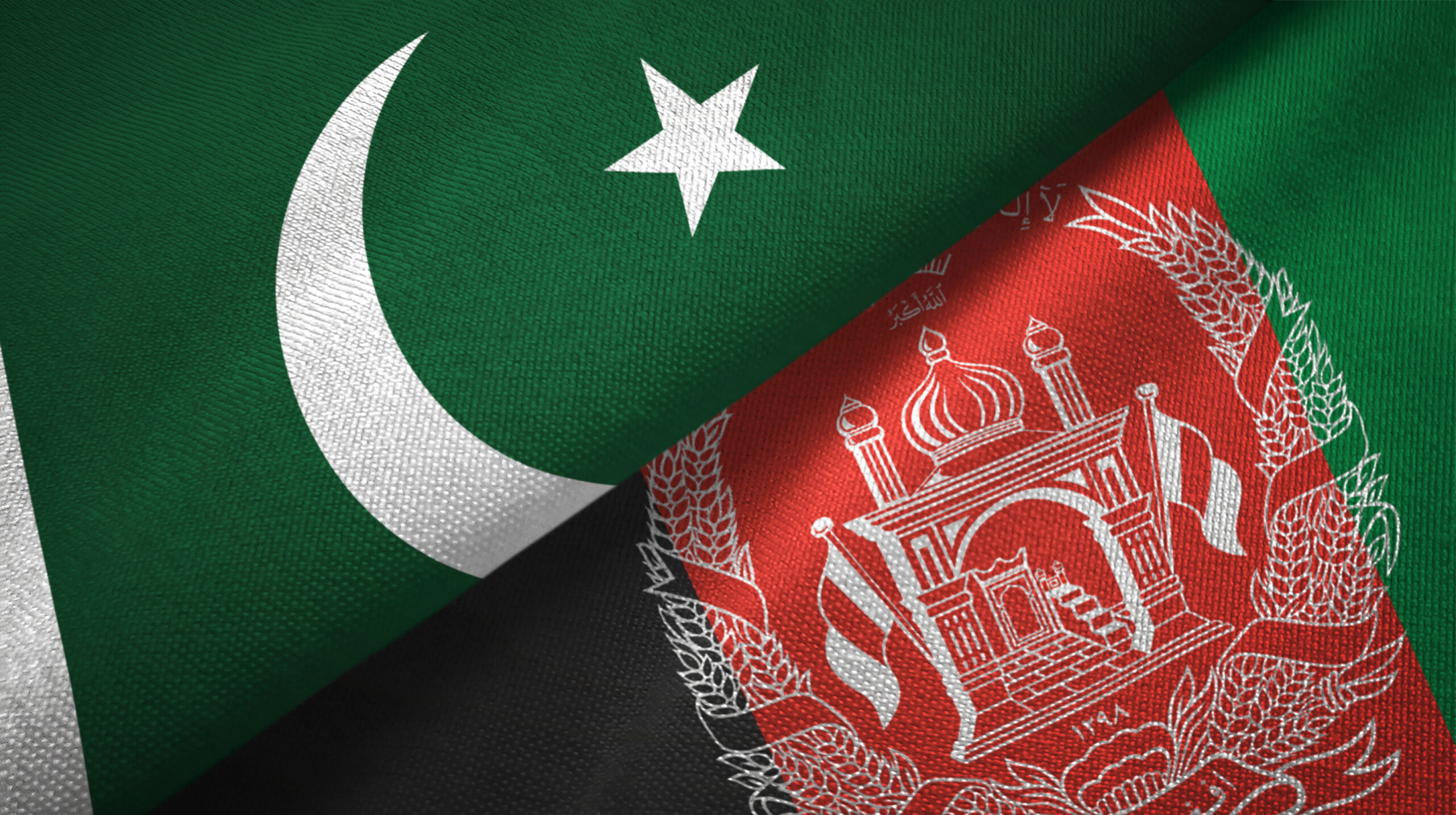
Afghanistan and Pakistan are once more at another point in their bloody and centuries-long romance. The current wave of militancy in Pakistan, traced to as yet only secure havens in neighboring Afghanistan, has brought war to a boiling point. Tehrik-e-Taliban Pakistan (TTP), having already hundreds of civilians and security personnel’s lives to its credit this year alone, has a free run from Afghan soil. While Pakistan is even seeking cooperation time and again, the Kabul Taliban regime is not cooperating, and there appears to be suspicion and frustration that exists. For Islamabad, it is not a sudden change—it is due to years of spurned goodness.
When the Taliban took over in Afghanistan in August 2021, Pakistan chose engagement and not isolation. It was one of the very few nations that did not shut its embassy in Kabul. Islamabad relocated, resumed cross-border movement out of humanitarian grounds and worked hard to obtain the foreign assets of Afghanistan unfrozen in an effort not to overburden the common Afghans. The policymakers in Pakistan had expected that a Pakistani stability and peace in Afghanistan would result in regional stability and economic integration and prove to be a win-win for both countries. Rather than stability, cross-border terrorism increased and increased rooting of distrust. Rather than adopting a military response to the very first display of aggression, Pakistan wishes to negotiate its way out. It tried its hand at religious diplomacy by having the erudite scholars like Mufti Taqi Usmani proceed to Kabul in 2022 in the expectation of convincing the Taliban to rein in the TTP. Tribal jirgas were dispatched with expectations of an amicable settlement of the issue.
There were also such key leadership figures such as the then-ISI chief, defence minister, and interior minister who would visit Afghanistan from time to time and reiterated the policy of mutual cooperation and convergence of security interests. Islamabad also made tangible economic moves in the form of relaxation of tariffs on Afghan imports and concessions in logistics to spur Afghan trade by enhancing Pakistani ports. These confidence-enhancing gestures on the ground did not yield dividends, however. Intelligence reports confirmed that the TTP and its network-maintained camps in Afghan provinces Nangarhar, Kunar, and Paktika and used such sanctuaries as platforms for launching raids into Pakistan. Far from clipping their wings, Taliban regimes appeared to wink at, if not encourage, their activities.
The government of Pakistan would always inform Kabul about the whereabouts of such havens, but nothing specific was ever taken into action. Situation got worse as militancy worsened further in districts such as Bannu, Dera Ismail Khan, and Zhob—greater number of Afghan citizens. Latest UN Sanctions Monitoring Team reports also support Pakistan’s argument. The UN had attributed the existence of TTP training camps in Afghanistan and noted combined endeavors of TTP, Al-Qaida, and other groups on operational platforms. The TTP had a close to 6,000-strong fighting force with heavily equipped weapons left behind when US troops withdrew in 2021. From night vision goggles to armored vehicles and machine guns, the arsenal has increased the capability of the militants, allowing them to carry out deadlier, high-tech cross-border attacks.
The threat to the security of Pakistan is serious. Cross-border raids have increased by over a third since mid-2025 as the militants in thousands pour into Balochistan and Khyber Pakhtunkhwa. The Pakistani security forces have carried out dozens of operations against the militants, and hundreds of the militants have been killed while doing so, the majority of them believed to be Afghans.
Kabul’s denials have become shrill in the face of such evidence, and Pakistan’s threats now sound hysterical or politicized. To Pakistanis, this betrayal stings against the background of their own forty-year history of largesse towards Afghanistan. Pakistan has provided asylum for Afghan refugees in millions for over four decades, educated and cared for them, and brought them into its social and economic mainstream. Thus far, a half-million Afghans work and study in Pakistan, availing themselves of opportunities rarely offered by any other nation. Pakistan also solicited Afghan involvement in regional economic initiatives and foreign assistance while the world elsewhere boycotted the Taliban regime. Patience is thinning, though. Islamabad’s temper is hardening.
Governments are increasingly resorting to increasingly aggressive language such as “red lines” and the threat of taking direct action against terror sanctuaries in the event that Kabul fell into the wrong hands.
While Islamabad has stood firm on diplomacy, political winds and public opinion also lean towards a belligerent policy. Islamabad’s recent cross-border counterterrorism operations indicate Islamabad has no hesitation in crossing the border to destroy enemy installations if provoked enough. War, however, is not desirable. Pakistani policymakers are aware of the fact that the two nations have profound historical, cultural, and economic links. Both sides of the divide have endured half a century of war, exile, and poverty.
The next cycle of hatred will continue to pursue them alone. Peace still reigns—if only the Taliban leadership is forced to realize that their recent relative tranquility with the TTP won’t endure. Prevention of cross-border militant aggressive action on Afghan territory is not only a Pakistani necessity; it’s an international obligation under the UN Charter and bilateral accords. The Taliban have a decision. They can either continue with the present policy of denial, allowing terrorists like the TTP to burn and launch aggression against their most precious neighbour. Or act forcefully—bringing the terror outfits to their knees, sealing the border, and opening up again the sources of confidence-building with Islamabad. Whatever they choose will determine if the two nations are moving toward peace or into another round of suicidal rivalry. To Pakistan there is a message: it desires peace, but not at the cost of national security. The hold of Islamabad, lovely as it is, is restricted. But still expects that Afghanistan would realize that peace and bliss on the regional level can be ensured only by attaining mutual cooperation and dignity for one another in the fight against terror. The two nations will only be able to become powerful enough to break the cycle of cruelty and mistrust that has ruled their joint past if they are genuine, orderly, and trusting.