
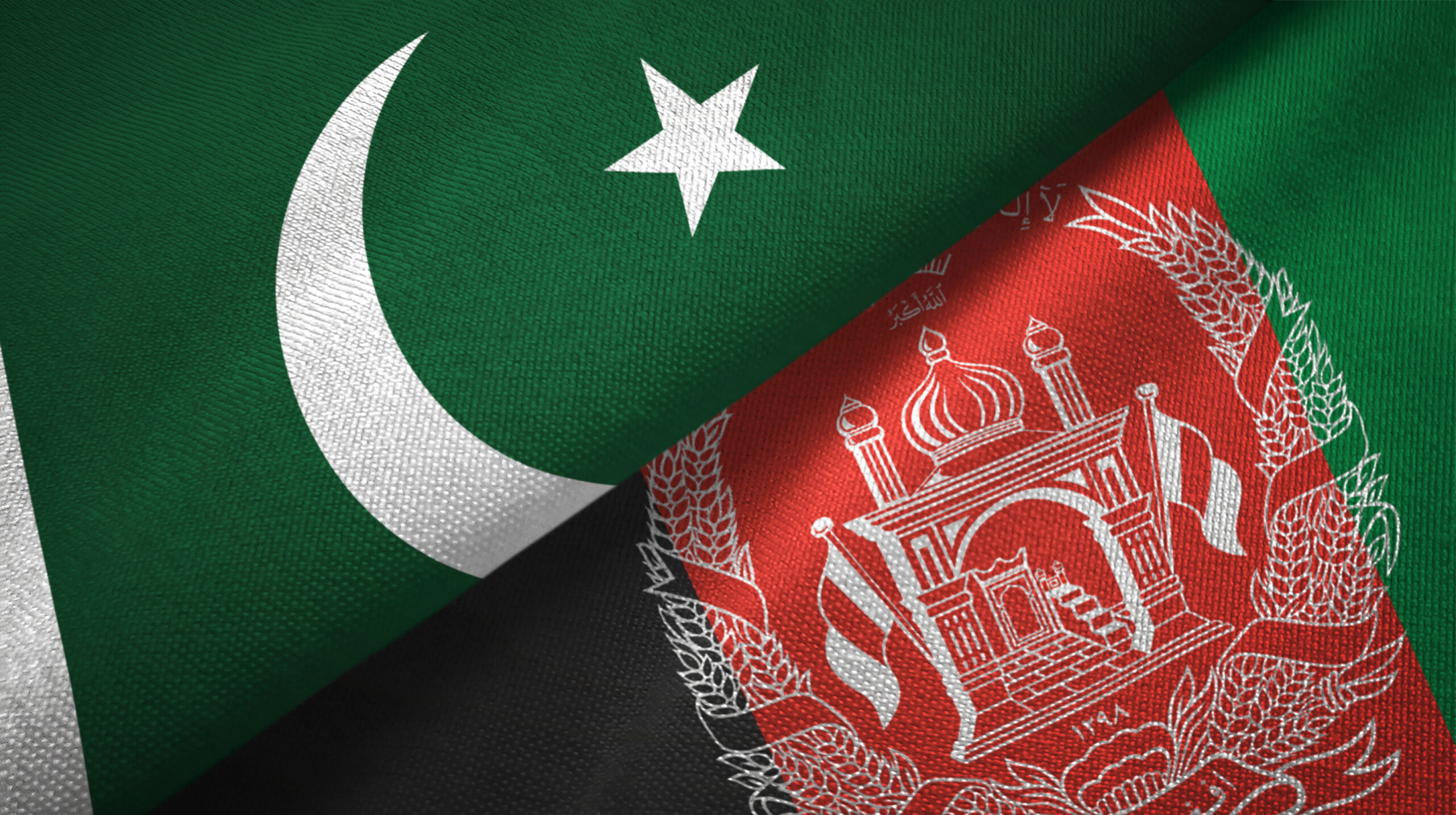
The announcement that Pakistan and Afghanistan have agreed to extend their ceasefire for another week—brokered by Turkey and Qatar—offers a rare glimmer of hope amid months of cross-border hostility. Yet, beneath the surface of this diplomatic breakthrough lies a complex web of mistrust, conflicting narratives, and unresolved security challenges that threaten to unravel the fragile peace before it even begins. The question now confronting both Islamabad and Kabul is stark and sobering: Can they truly uphold this agreement—or is the ceasefire merely a temporary pause in a continuing cycle of confrontation and blame?
The latest truce was not achieved out of mutual goodwill but out of sheer necessity. The week-long border clashes earlier this month left dozens dead on both sides, inflicting economic and political damage neither nation could afford. Pakistan claimed to have killed over 200 Afghan fighters in retaliatory strikes, while Afghanistan asserted it had eliminated 58 Pakistani soldiers. It was the most serious escalation since the Taliban’s return to power in 2021.
Faced with mounting losses and diplomatic isolation, both sides turned to mediation by Turkey and Qatar, resulting in a ceasefire signed in Doha on October 19. The extension of this truce in Istanbul, coupled with plans for a higher-level meeting on November 6, reflects recognition on both sides that unchecked confrontation would serve only the interests of terrorists exploiting the chaos. However, a ceasefire born of fatigue and external pressure is fundamentally different from one grounded in trust and shared objectives. The core disputes—especially Pakistan’s demand that the Taliban crack down on the Tehreek-e-Taliban Pakistan (TTP)—remain unresolved.
The TTP issue remains the single most explosive fault line between the two nations. Pakistan has for years maintained that the TTP, responsible for thousands of civilian and military deaths, operates freely from Afghan soil under Taliban protection. The 36th UN Analytical Support and Sanctions Monitoring Team Report (July 2025) corroborates this, confirming that TTP maintains active camps and coordination centers across multiple Afghan provinces, often in tandem with Al-Qaeda operatives. Without verifiable action against the TTP, Pakistan sees little reason to trust Kabul’s commitments. And without assurances that Pakistan will not conduct unilateral strikes inside Afghanistan, Kabul remains wary of Islamabad’s intentions.
The involvement of Turkey and Qatar gives the current process both legitimacy and leverage. Both nations have maintained balanced relations with Islamabad and Kabul, making them credible facilitators. The proposed monitoring and verification mechanism, agreed upon in the ceasefire extension, is a significant step forward. However, enforcement remains the real challenge. Without a robust, on-ground verification framework—and penalties that both sides respect—violations are almost inevitable. The Taliban’s decentralized command structure and Pakistan’s hardline security calculus make the ceasefire’s sustainability dependent not on political statements but on real-time restraint and reciprocity.
Beyond diplomacy and security, economics has emerged as an unexpected driver of restraint. The closure of key border crossings like Chaman and Spin Boldak for over two weeks has crippled cross-border trade. Traders on both sides—whether cloth merchants in Kandahar or spare parts dealers in Chaman—are facing devastating losses. For Pakistan, already struggling with economic stabilization, prolonged border closures worsen inflation and disrupt supply chains. For Afghanistan, trade with Pakistan remains its primary economic lifeline, accounting for over half its imports and exports. As traders from both sides lamented to AFP, “both countries face losses—both are Islamic nations.”
The durability of this ceasefire ultimately hinges on leadership—on whether both governments can transcend the inertia of suspicion. For Pakistan, that means coupling its security concerns with calibrated diplomacy, avoiding actions that could hand hardliners in Kabul an excuse for escalation. For the Taliban, it means proving to the world that it can act as a responsible government, not a sanctuary for transnational militants.
Kabul must recognize that protecting the TTP is politically unsustainable and diplomatically isolating. Its legitimacy, both regionally and globally, depends on showing tangible commitment to peace, not just rhetorical gestures. For Islamabad, the challenge is to remain firm yet flexible—to combine military readiness with strategic patience. Striking terror camps may bring short-term satisfaction, but a sustainable peace demands engagement, verification, and persistence, not impulsive retaliation.
The Pakistan–Afghanistan ceasefire stands at a precarious crossroads. It is both a window of opportunity and a warning of what failure would look like. If upheld and institutionalized, it could mark the beginning of a new phase of regional cooperation, driven by shared security and economic interdependence. But if either side reverts to denial, deception, or unilateral aggression, the fragile truce could collapse—plunging the region back into chaos. The next few weeks will determine whether the ceasefire evolves into a sustainable peace framework or remains yet another fleeting pause in a decades-old cycle of mistrust.