
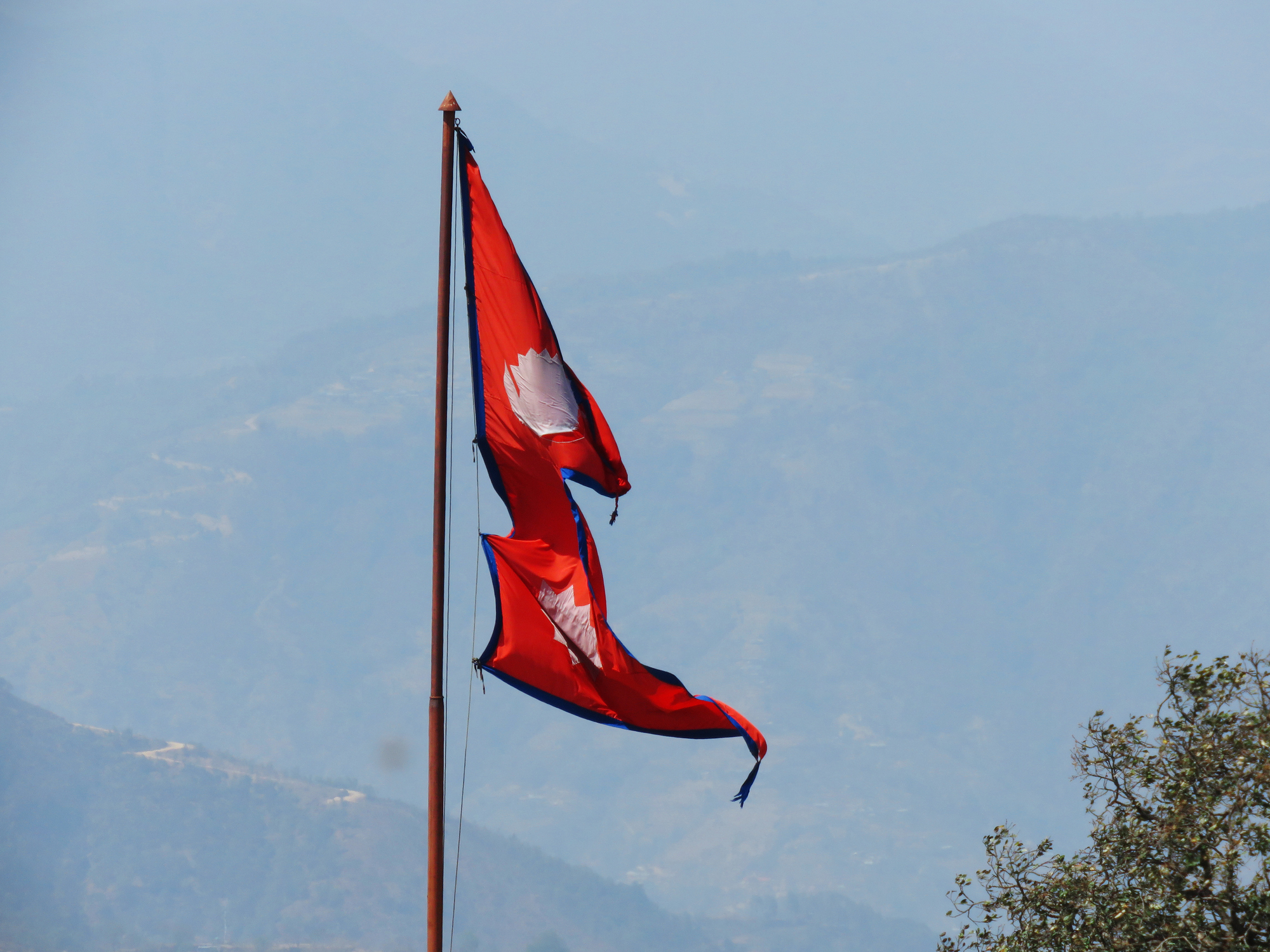
Nepal’s interim premier Sushila Karki has lately inducted three ministers namely Kulman Ghising, Ram Aashor Khanal and Om Prakash Aryal to her cabinet. Now talk of the town revolves around all four personalities including Ms Sushila, an alumna of Banaras Hindu University, who have a strong connection with the giant neighbour, India. Ghising, who studied electrical engineering in Regional Institute of Technology, Jamshedpur, is regarded as a power hero, who used to serve the Nepal Electricity Authority. Khanal, who maintains a long and trusted relation with India, a former finance secretary to the government in Kathmandu, now deems to work as finance minister. On the other hand, senior advocate Aryal, who worked with India’s legal professionals for decades, has been assigned as the home minister of Nepal.
The tiny south Asian nation, sandwiched between India and Tibet (China), lately returned to normalcy following a brief political unrest on 8 and 9 September 2025, now looks for national polls within six months. The Parliament of the Himalayan nation with 30 million people was dissolved by President Ramchandra Poudel. During the massive uprising against the government, hundreds of thousands of young people hit the streets with various demands including accountability to the regime. After a series of talks between the agitating youths and government armed forces, Nepal returned back to near normalcy.
The country’s first woman chief justice of the Supreme Court, Ms Sushila was sworn in as the interim Prime Minister on l2 September in the presence of selected dignitaries including vice-president Rambaran Yadav, diplomats from India, China, USA, etc at the Presidential Palace. Ms Sushila, 73, has been assigned to run the government with the primary responsibility to conduct national polls by early next year. A law graduate from Tribhuvan University, who began her legal career in 1979, Ms Sushila thus became the first female premier to lead the interim government of Nepal. Taking charges, she declared that the government will compensate the victims and also investigate all vandalism related incidents during the unrest.
Soon after the oath taking ceremony, President Poudel announced that Nepal will conduct polls for the 275-seat House of Representatives by 5 March (Falgun 21, 2082 BS) next. Earlier, President Paudel and Nepali Army chief General Ashok Raj Sigdel appealed to the citizens to ignore all kinds of misleading and false information amid the turmoil. Announcing the acceptance of Prime Minister KP Sharma Oli’s resignation, the octogenarian head of the state expected everyone’s support to amicably resolve the crisis. Many ministers in the Oli-government also resigned and left the country. The ousted premier is understood to be inside Nepal. Mentionable is that Nepal has been ruled by the Oli-led Communist Party of Nepal (Unified Marxist-Leninist), Pushpa Kamal Dahal (Prachanda)-led CPN (Maoist Centre) and Sher Bahadur Deuba-led Nepali Congress in rotation, but with instability, since the 239 years old monarchy was abolished in 2008 following a decade long civil war.
The unrest resulted in the death of over 70 people, including 55 protesting youths, and injuries to over 1500 individuals. The angry demonstrators even ransacked Parliament buildings, Supreme Court premises, ministers’ office & residences along with a number of political party offices. At least two mainstream media houses, namely Kantipur Media Group and Annapurna Media Network, faced vandalism and six reporters, including two from India, were manhandled during the turmoil. Taking advantage of the situation, anti-social elements also helped a large number of jail-inmates to escape. Over 3500 prisoners have been recaptured, but many (over 10,000) remain traceless till date.
Prime Minister Narendra Modi, who expressed serious concern over the turmoil in northern neighbor and also condoled the demise of many young people, wished best wishes for Ms Sushila Karki saying, “India remains firmly committed to the peace, progress and prosperity of the people of Nepal.” His Holiness the 14th Dalai Lama also congratulated her for being appointed as Nepal’s interim premier. The highest Tibetan spiritual leader, in a message issued from Dharamshala in north India, recalled the long-standing ties between the Nepalese and Tibetan peoples and expressed gratitude for Nepal’s support in rehabilitating Tibetan refugees since 1959.
China’s foreign ministry stated that Beijing congratulated Ms Sushila on her elevation and reaffirmed its commitment to strengthening bilateral ties. Pakistan premier Shehbaz Sharif also wished for peace and progress for the Nepali people. Bangladesh interim government chief Dr Muhammad Yunus expressed confidence that her tenure will guide the country toward peace, stability, and development. Earlier, the United Nations also sent a congratulatory message to Nepal’s newly-installed premier and stated that it would stand with the Nepali people in their aspirations for peace, justice, transparency, accountability and progress.
It’s shocking that the Nepali citizens, most of whom had joined in the anti-Monarchy armed movement (1996 to 2006) under the banner of Communist Party of Nepal (Maoist), now get frustrated with the functioning of multi-party democracy because of perennial non-governance and massive corruptions among their political leaders. The new generation of Nepal, hunted by outspread poverty and unemployment, used to criticize the authority through various social media platforms, but the government had recently banned most of the outlets, annoying the entire young population. When they initially demanded the revocation of those restrictions, the police tried to silence them with a brutal crackdown, which flared up the situation to a maximum level.