
The 80th session of the United Nations General Assembly opened on 9 September 2025 under the theme “Better Together: 80 Years and More for Peace, Development and Human Rights.” For Pakistan, the session provides an important platform to draw attention to how unilateral actions by its neighbor are undermining regional peace and violating the principles of shared responsibility that the UN seeks to promote.
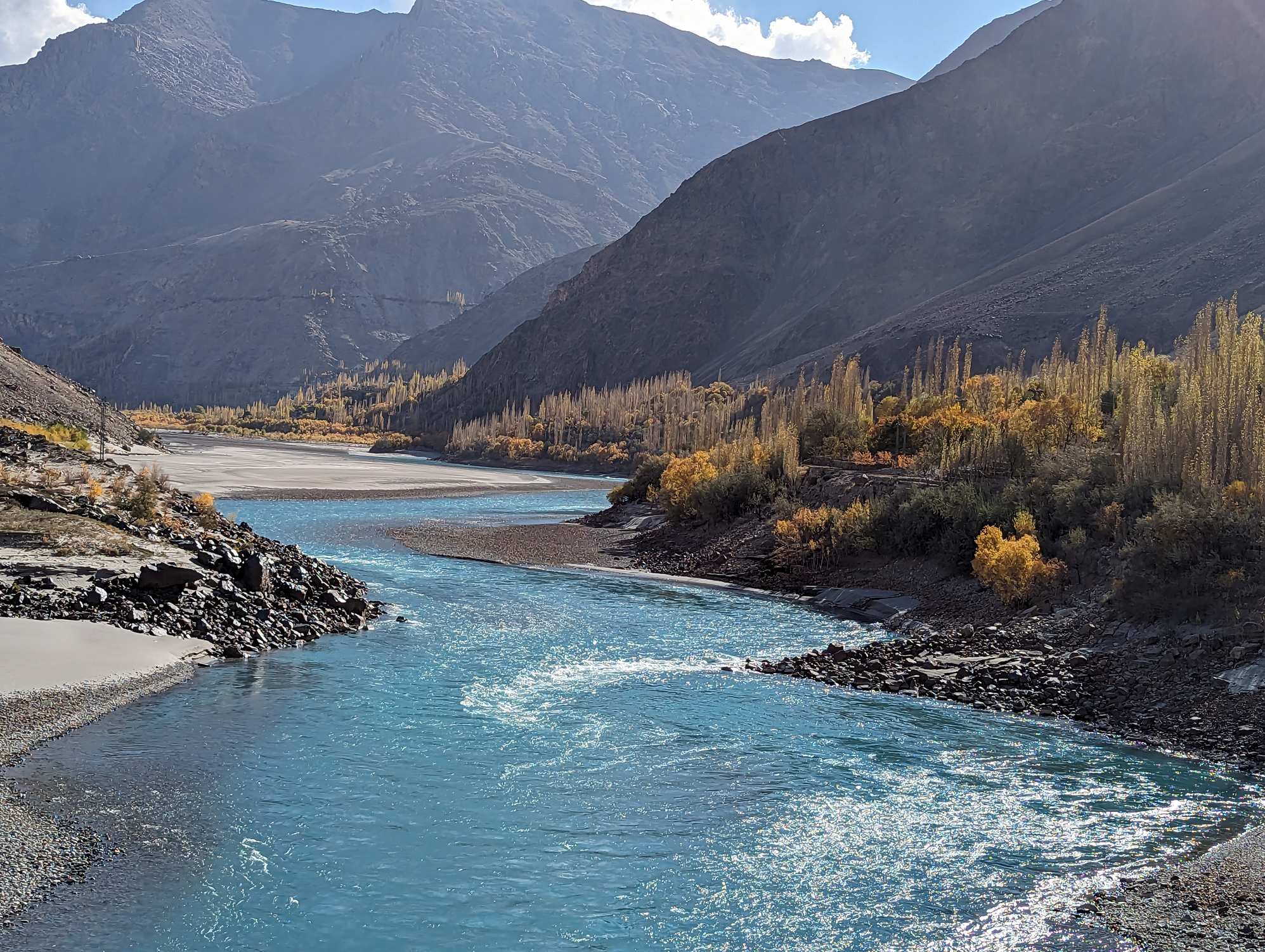
The two emerging nuclear power of South Asia, India and Pakistan, have long standing disputes on multiple fronts. The most recent issue under discussion is the Indus Waters Treaty, signed in 1960 under the World Bank’s mediation to regulate water sharing between the two arch rival states. The treaty, carved out a delicate but lasting compromise: India would control the three eastern rivers (Ravi, Beas, Sutlej), while Pakistan would rely on the three western rivers (Indus, Jhelum, Chenab), with India allowed limited non-consumptive use After the 2025 Indo-Pak standoff, India unilaterally suspended its obligations under the treaty-an action deemed illegal and widely condemned by the international community. According to the treaty, India cannot unilaterally suspend provisions of the treaty; both states are to engage into mutual consultation.
In response, Pakistan approached the Permanent Court of Arbitration (PCA) in The Hague, the body authorized under the treaty to settle disputes when bilateral mechanisms fail. In a Supplemental Award of Competence issued in June 2025, the PCA unanimously held that “it was not open to India to suspend proceedings unilaterally,” reaffirming that the Indus Waters Treaty remains binding unless both parties mutually agree to its termination. The ruling also confirmed the court’s jurisdiction to examine Pakistan’s objections to two Indian hydropower projects Kishanganga and Ratle on the western rivers.
As the UNGA focuses on global cooperation, India’s weaponization of water stands in sharp contradiction. Post Indo-Pak standoff 2025, India’s suspension of the Indus Waters Treaty (IWT) in May marked a dangerous escalation. It has transformed a basic human necessity protected under international law into a tool of political coercion. For more than six decades, the IWT survived wars, crises, and prolonged diplomatic deadlocks, serving as a rare example of cooperation between India and Pakistan. However, Its suspension not only undermines mutual trust but also risks setting a precedent that international treaties can be set aside for political convenience, a practice long discouraged in international law.
Now, the decision of the court is a great diplomatic achievement for Pakistan. In fact, Islamabad has not been able to gravitate from its position of viewing India’s suspension of the treaty as not only a considerable legal violation but a deliberate souring of ties. New Delhi, on the other hand, has called the award “illegal and void” stating that the Indian Ministry of External Affairs argued that the very creation of the court was against the treaty’s framework for dispute resolution. Various analysts opine that India will further the treaty that way and exert political pressure on Pakistan.
Millions of people in Pakistan rely on the uninterrupted flow of the Indus River system for agriculture, drinking water, and daily survival. The basin is providing near 23% of the entire country agricultural water requirement and supports approximately 68% of rural livelihoods. Thus, it forms the backbone of food security and the rural economy of Pakistan. Besides agriculture, the Indus also sustains livestock, fishery, and energy generation, linking it directly with the overall economy of the country. Any disruption in these flows risks triggering large-scale food shortages along with unemployment and displacement with humanitarian consequences that would stretch much beyond the shoulders of Pakistan, affecting the entire South Asian region.
India’s aggression has now assumed a new shape. On 26 August 2025, it did without warning and irresponsibly discharge water from overflowing reservoirs into Pakistan’s low-lying border constituencies, endangering scores of lives and livelihoods. Unprepared discharges caused flash floods that displaced over 200,000 people, took at least 15 lives, and flooded vast tracts of agricultural land in Punjab. Entire villages were submerged, standing crops disappeared, and vital infrastructure such as roads, schools, and health centers suffered consequential damage. The communities regarded the tragedy not as a natural calamity but rather as an enormous reminder of how a common resource has been manipulated into a weapon deepening mutual contempt and inflating already high tension between the two neighbors.
India continuously uses water as an instrument of political pressure, which violates the spirit of international treaties and poses a serious danger to regional stability. The United Nations General Assembly must realize that the preservation of the Indus Waters Treaty is not only imperative for the survival of Pakistan; it is also indispensable for upholding the global principles of equity in water-sharing and multilateral cooperation. Thus, the sanctity of the treaty is a test of the commitment of the international community towards peace, justice, and collective responsibility.